Trichological mesotherapy
An outpatient treatment that delivers small amounts of active ingredients directly into the scalp through microinjections. It is tailored to the diagnosis and may form part of a broader plan for managing hair loss or thinning.
The treatment
What is mesotherapy
Trichological mesotherapy is an outpatient medical treatment in which small amounts of selected active ingredients are administered directly into the scalp through superficial microinjections.
Local administration allows the selected substances to be distributed across the areas affected by hair thinning. The composition is not the same for every patient; it is defined according to the diagnosis, clinical characteristics and treatment objectives.
Mesotherapy does not replace a trichological consultation or any prescribed treatments. When indicated, it is included in a personalised treatment plan and may be combined with topical or systemic therapies.
Which substances are used
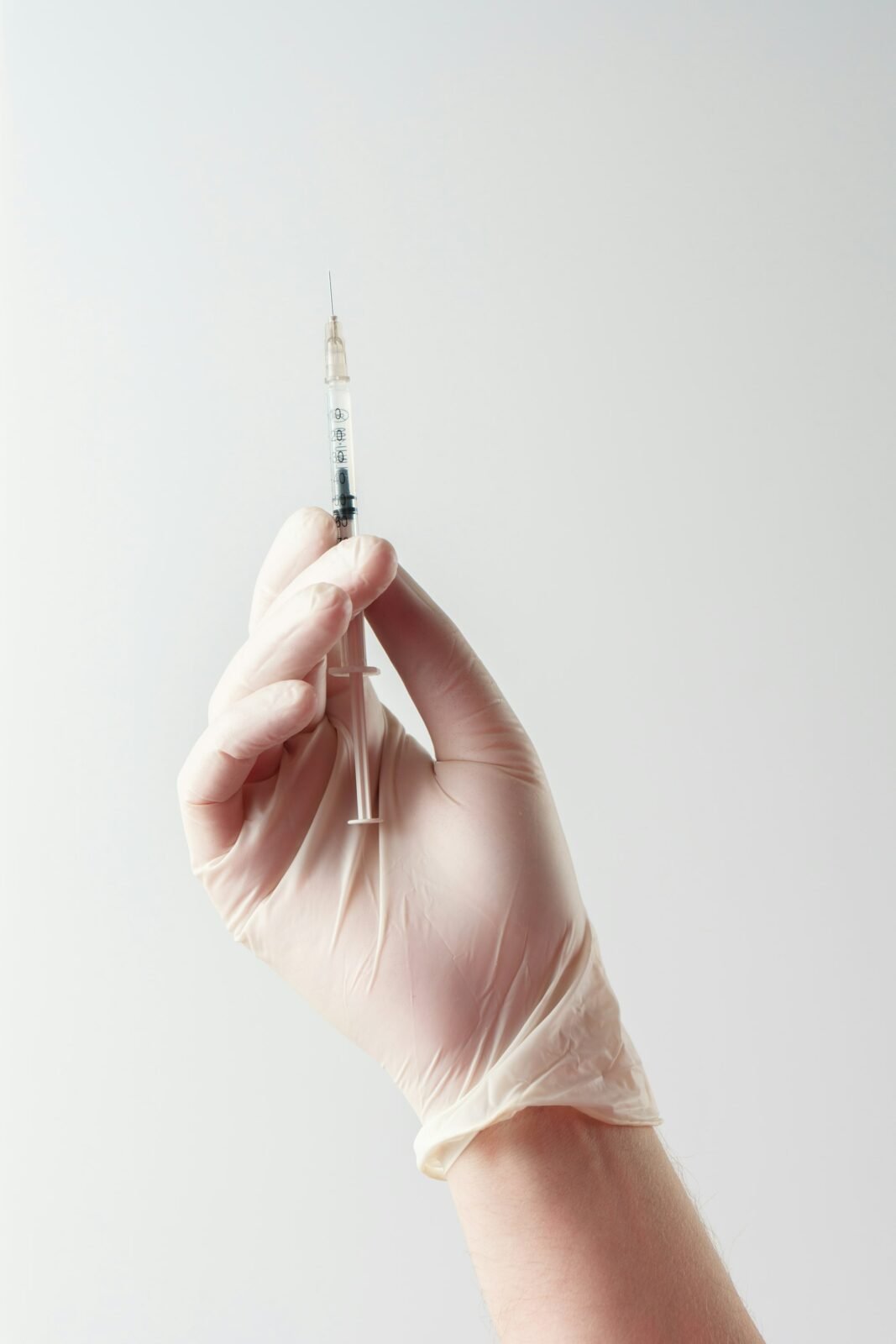
The doctor selects active ingredients or specific formulations according to the diagnosis. There is no single composition suitable for every patient: the type of treatment, the amount administered and the distribution of microinjections are tailored to the clinical picture.
Indications
When it may be indicated
Primarily as a complementary treatment for male and female androgenetic alopecia. In selected cases also for other conditions with hair shedding or reduced hair quality, once the underlying cause has been identified.
The decision takes several factors into account, assessed during the consultation:
The diagnosis
Extent and location of hair thinning
Stage and progression of the condition
The patient's age and general health
Any current trichological treatments
Individual characteristics and needs
The session
How it is performed
A session usually lasts approximately 30 minutes, depending on the size of the treatment area and the protocol used.
Assessment
The scalp is examined to identify the areas to be treated.
Preparation
The skin is thoroughly cleansed and disinfected.
Microinjections
Small amounts of the substances at regular intervals, with very fine needles. Discomfort is generally brief and localised.
Aftercare
You receive personalised instructions for scalp care in the following days.

After the treatment
Temporary effects and scalp care
Some effects may appear after the session; they are generally temporary and tend to resolve spontaneously. Normal daily activities can usually be resumed immediately.
In the following days
- Avoid repeatedly touching or massaging the treated areas.
- Follow the advice provided on hair washing, physical activity and sun exposure.
- If you have any doubts, contact the clinic.
The treatment plan
Number and frequency of sessions
The number and frequency of sessions are determined individually. An initial course is generally planned, followed by a clinical assessment; intervals depend on the active ingredient used and the patient's characteristics.
Maintenance treatment may subsequently be considered and adjusted according to the course of the condition.
Initial course
Approximately 4 to 6 sessions
Clinical assessment
Response checked at the end of the course
Maintenance
Only if indicated, adjusted to the course
Monitoring
Clinical examination, trichoscopy and photographic comparison
Other treatments
Hair transplantation
Redistribution of follicular units with FUE and FUT/strip techniques.
PRP – Regenerative medicine
Platelet-rich plasma obtained from a small sample of the patient's own blood and distributed through microinjections.
Part of a comprehensive plan
Mesotherapy is not appropriate for every patient: its usefulness depends on an accurate diagnosis. It is therefore proposed only after a trichological assessment and monitored over time.